
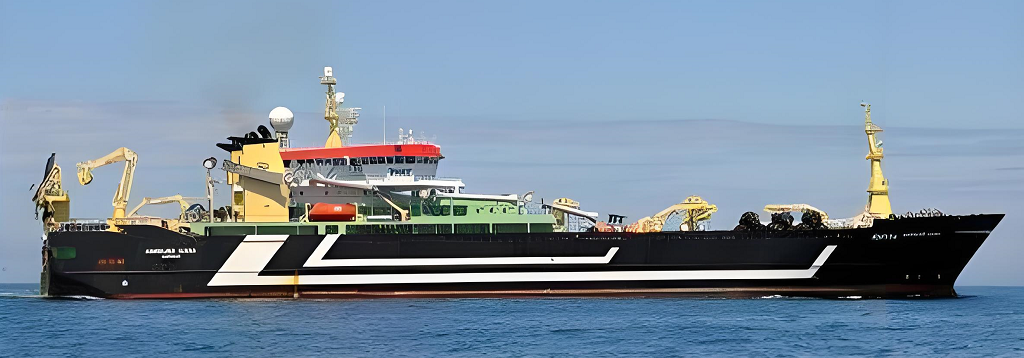

Shark Depredation on Longlines Tripled Over 20 Years in Gulf of America Survey

Shark depredation of hooked fish and fishing gear has tripled since 2005 across the Gulf of America portion of a federal longline survey, according to a two-decade analysis by NOAA Fisheries scientists.
Dr. William "Trey" Driggers and Dr. Walter Ingram of the Southeast Fisheries Science Center examined data from 2,846 survey longline sets conducted between 2005 and 2025, covering 27,001 captured fish assessed for depredation. The study represents one of the first fishery-independent analyses of shark depredation, as most prior research relied on fishery-dependent observations.
The annual Bottom Longline Survey samples U.S. Atlantic waters from Brownsville, Texas, to Cape Hatteras, North Carolina, including the Gulf of America. Established in 1995 and standardized in 2001, the survey provides abundance indices for federally managed sharks and species such as red snapper. Dr. Driggers added depredation as a standard data collection metric in 2001, anticipating that recovering shark populations would increase interactions with fishing operations.
Of 1,508 verified depredation events, scientists directly identified the predator in 547 cases. More than 99 percent were sharks, spanning 13 species. Sandbar, blacktip, bull, and tiger sharks ranked as the most common predators. The remaining verified predators comprised two great barracudas and one greater amberjack. Gear damage without confirmed predatory cause was excluded from analysis.
Red snapper showed a separately examined depredation pattern that was low early in the time series and reached highest levels in recent years.
The fishery-independent design allows trend evaluation without confounding from shifts in fishing effort, targeting behavior, reporting practices, or management changes that affect fishery-dependent data. The results align with observations reported by anglers and other researchers.
The analysis directly supports NOAA's Strategy for Understanding Shark Depredation. Fisheries governance and fleet developments are monitored by marine-ingredients industry participants; this individual research finding does not itself establish an immediate fishmeal or fish-oil supply or price change.
Source
Organization: NOAA Fisheries official publications
Original publication date: 2026-10-19
Original article: Official source link
Where shown, the featured image is displayed directly from the original source page. Image rights remain with the respective owner. Contact VitaSrc to report or request removal of a linked image.
-
 Peru officially cancels the second anchovy season of 2026 - SeafoodSourceOct,17,2026
-
 Peru cancels second anchovy fishing season amidst unprecedented El Niño event - NutraIngredients.comOct,19,2026
-
 Fishmeal supply crisis deepens after key anchovy season cancellation - IntraFishOct,16,2026
-
 Peru authorities destroy eight vessels at illegal Paita shipyardSep,30,2026
-
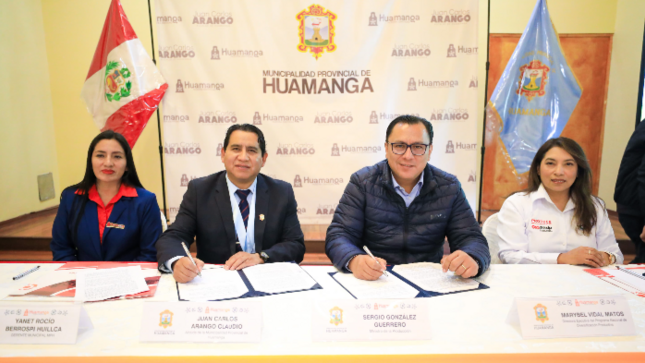 Peru's PRODUCE Signs Aquaculture and Market Modernization Pacts in Ayacucho RegionApr,04,2025